A giant planet stopped crossing its star while astronomers watched, and it never left
Astronomers saw a planet around a single star stop crossing it, a first. A hidden neighbor is likely tipping its orbit.
earth.com · Websites
In the catalog since November 8, 2026 · metrics are recalculated every hour
earth.com is a website in the “Science” category, region: United States. It publishes 9.7 articles a day on average. Latest post: yesterday. TeleMax data, updated every hour.
We have no way to measure this website’s traffic: the outlet does not publish an open counter, and we do not estimate traffic from indirect signals, because such a number can be neither verified nor refuted. So the website is shown only by direct link and does not take part in catalog rankings. Its articles and their response on social media are collected as usual.
History is accumulated from the moment the website joined the catalog: we show only measured days and do not fill in the past. The chart will appear once several measurements accumulate.
Astronomers saw a planet around a single star stop crossing it, a first. A hidden neighbor is likely tipping its orbit.
A new study draws on decades of wind farm surveys to estimate how many bats turbines killed across the lower 48 states from 1981 to 2024.
Brain recordings from 17 volunteers show that LSD speeds up two brain rhythms even as it weakens them.
Eight Ohio cities' sewage carried gut bacteria whose mix lined up with local obesity, blood pressure, and stroke rates, a pilot study finds.
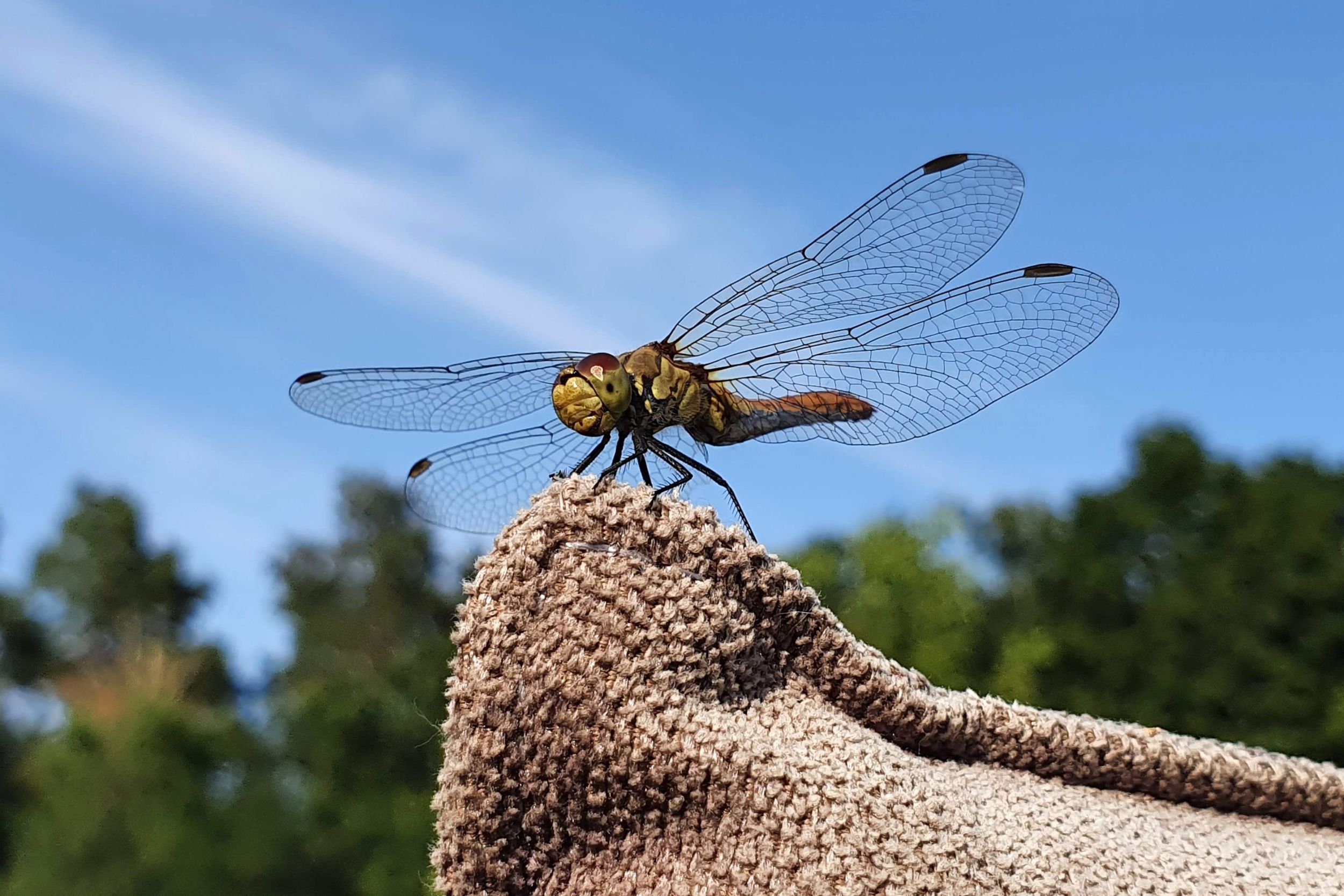
Engineers took cues from dragonfly wings to 3D-print materials that spread damage and absorb energy when compressed.
Low-cost water handles steady heat and one costly coolant drop boils on the spikes, a data center cooling idea tested on a chip at Waterloo.
A rare case report describes a man who sees his cat's eyes in human faces after brain surgery, showing how memory can shape face distortions.
Webb peers into N159, where dusty filaments shelter some of the youngest stars in a neighboring galaxy.
Heat measurements from dead stars helped physicists narrow down how dark matter might interact with ordinary matter.
DNA reveals how snipes and woodcocks reached distant islands, stopped migrating, changed physically, and became vulnerable to extinction.