Ariane 64 rocket set to launch 36 Amazon Leo satellites tomorrow; livestream details here
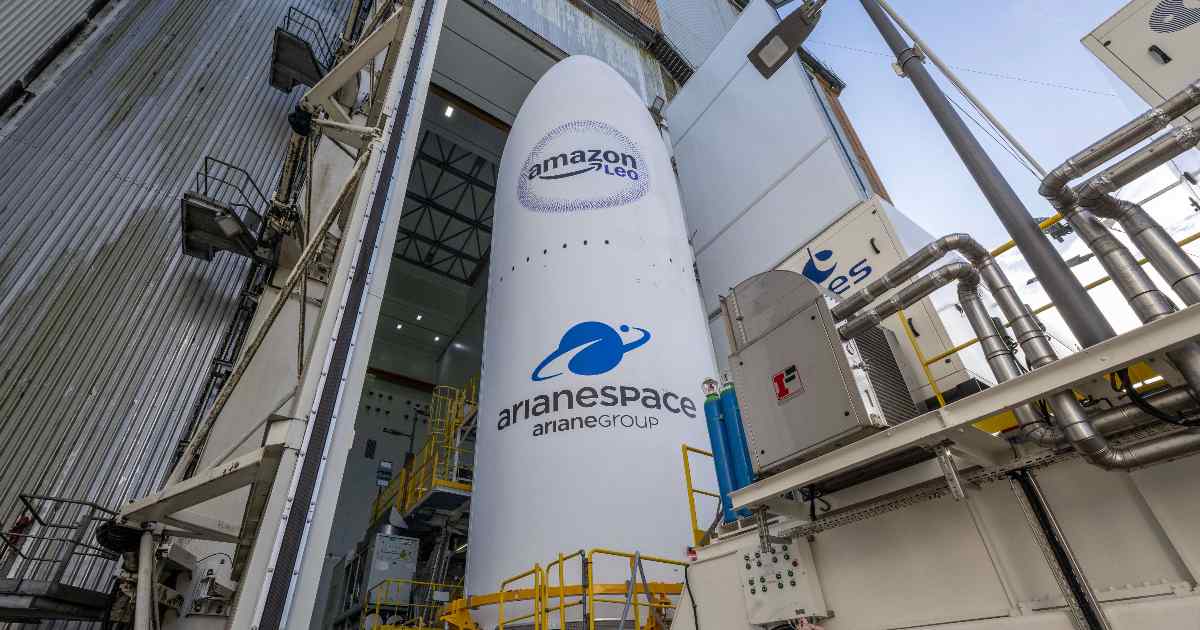
Ariane 64 is scheduled to launch between a 29-minute launch window starting at 6:09 am EST from Europe's Spaceport in French Guiana on November 23.
starlust.org · Websites
In the catalog since November 8, 2026 · metrics are recalculated every hour
Starlust is dedicated to People with a Passion for Astronomy, Stargazing, and Space Exploration. is a website in the “Learning & Facts” category, region: United States. It publishes 2.6 articles a day on average. Latest post: yesterday. TeleMax data, updated every hour.
We have no way to measure this website’s traffic: the outlet does not publish an open counter, and we do not estimate traffic from indirect signals, because such a number can be neither verified nor refuted. So the website is shown only by direct link and does not take part in catalog rankings. Its articles and their response on social media are collected as usual.
History is accumulated from the moment the website joined the catalog: we show only measured days and do not fill in the past. The chart will appear once several measurements accumulate.
Ariane 64 is scheduled to launch between a 29-minute launch window starting at 6:09 am EST from Europe's Spaceport in French Guiana on November 23.
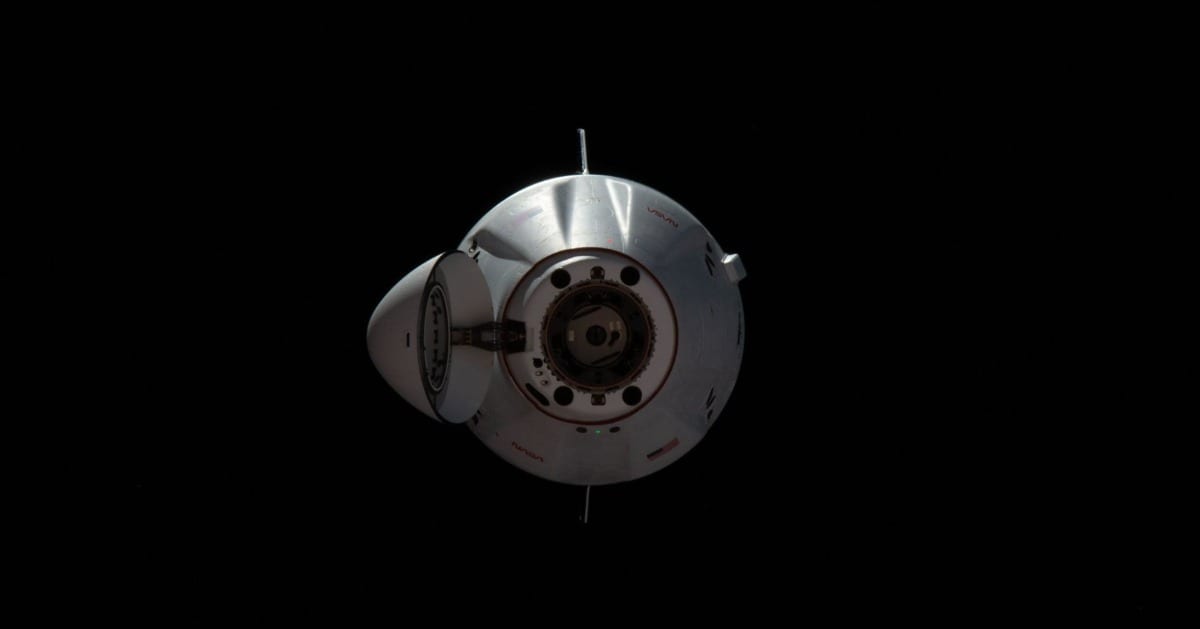
The SpaceX Dragon spacecraft which undocked from the station at 12:05 pm ET on November 20 has splashed down into the Pacific Ocean, concluding the CRS-35 mission.
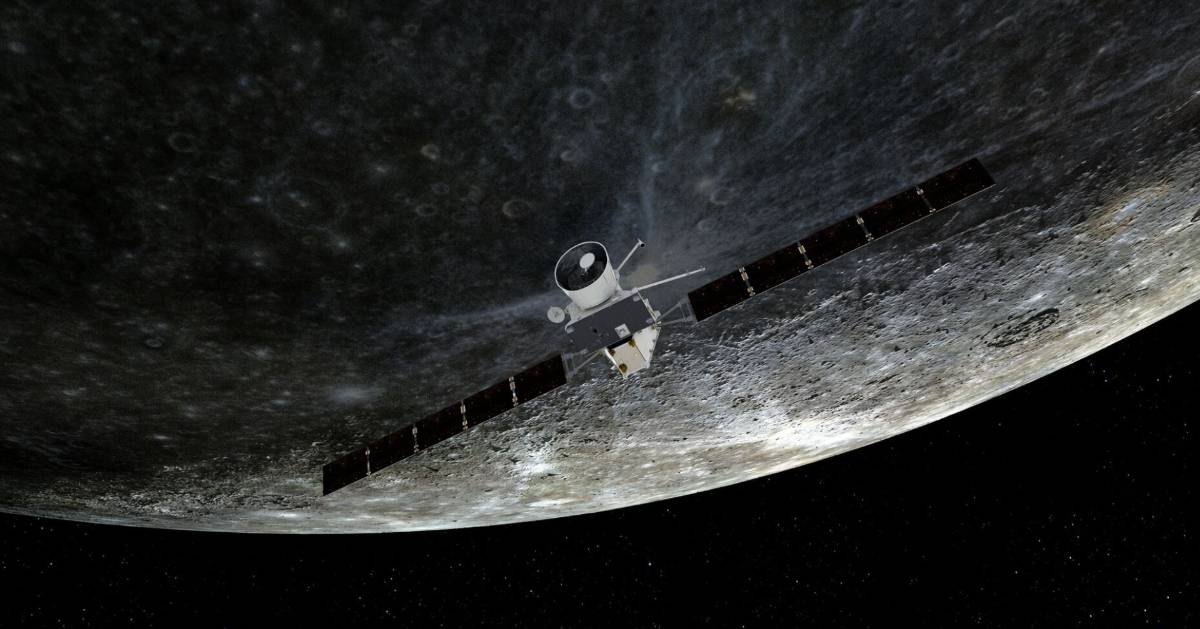
BepiColombo launched on October 20, 2018, from Europe’s spaceport in French Guiana and underwent an 8-year-long journey to reach Mercury.
Take a quick look at the recap of the biggest space stories you may have missed between November 14 and November 20, 2026.
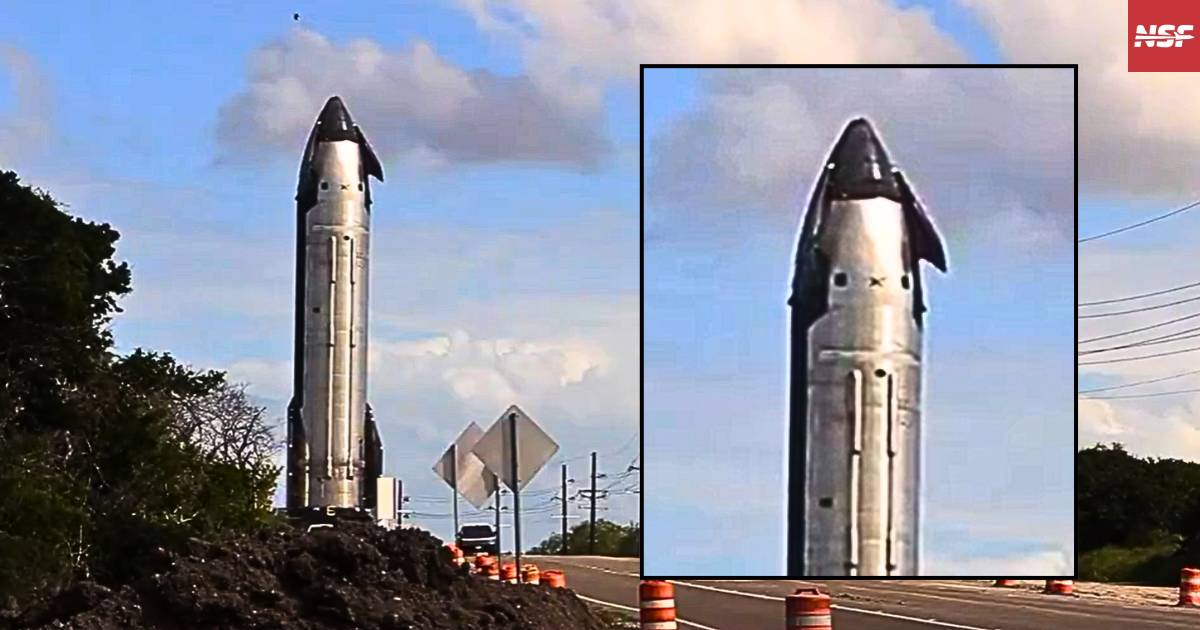
Both Ship 44 and Booster 24 have reached the Massey's Test Site at Starbase, Texas, for cryogenic proof testing.
Plasma is most widespread form of visible matter in the universe, and ESA's Plasma Observatory will help scientists understand how Earth interacts with the plasma around it.
The Voyager-1 team became aware of a data transfer issue with the spacecraft just days before it reached its historic milestone.
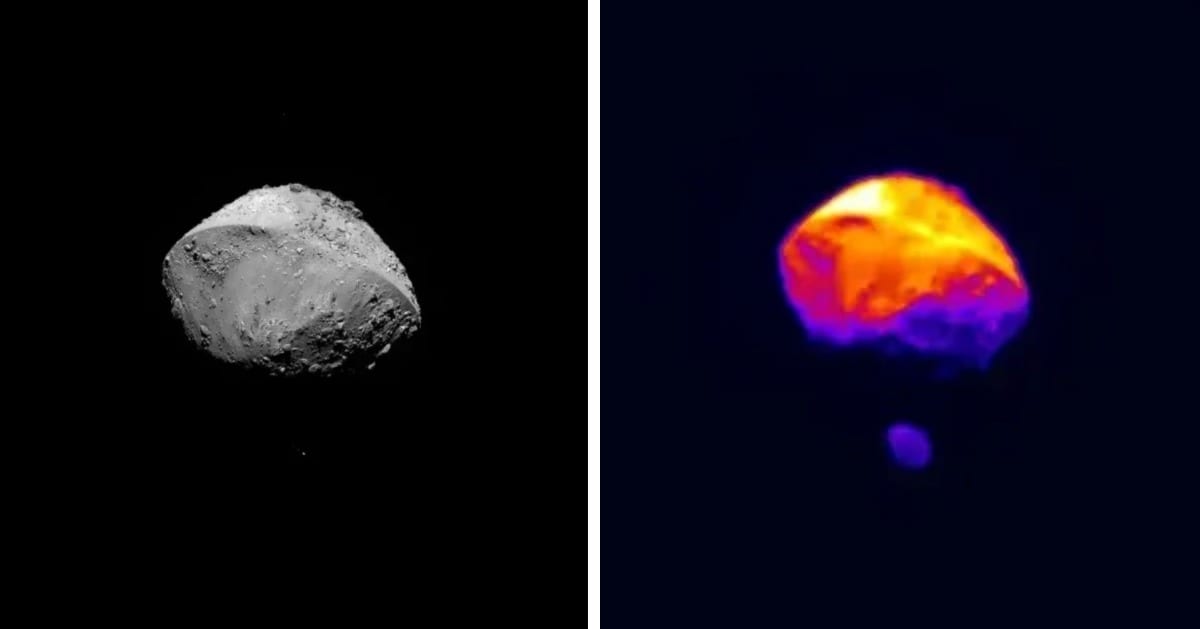
The new pictures were taken by Hera’s different cameras and in different wavelengths from a distance of 17.7 miles (28.5 km) amid the ongoing survey of the asteroid pair that began earlier this month.
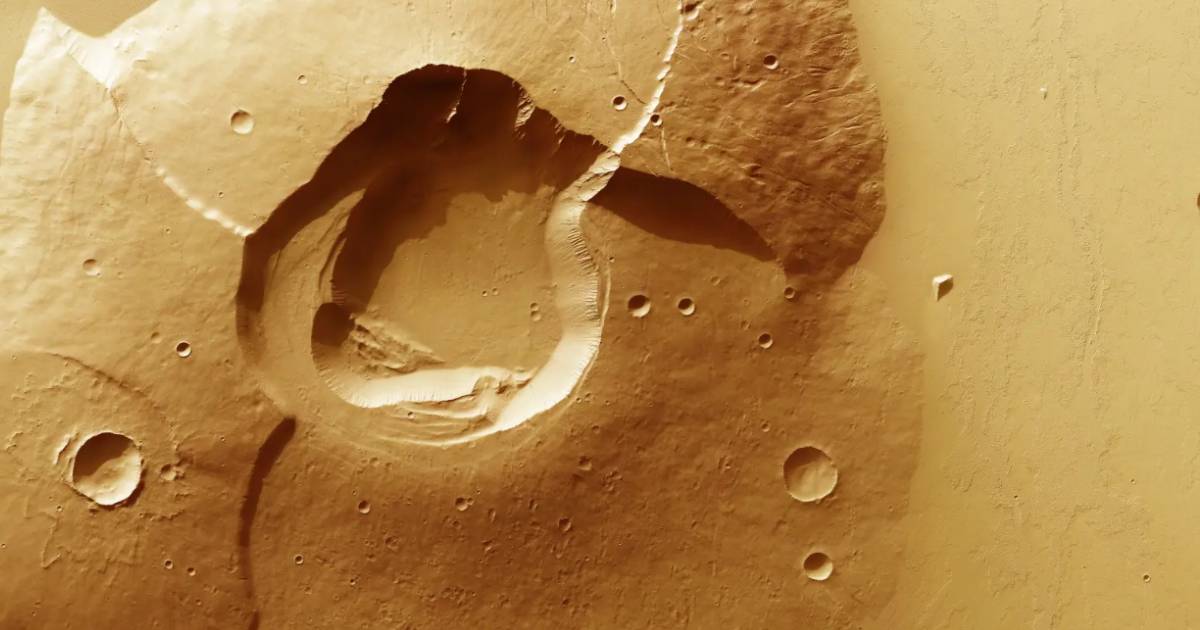
Tharsis Tholus is not among the biggest volcanoes on the Red Planet, but it was still worth the attention of ESA's Mars Express.
Uranus reaches opposition on November 25. Here's when and how to spot it in the night sky.